How Automation Saves Small and Medium Businesses that are coming up
How Automation Saves Small and Medium Businesses that are coming up
For small and medium-sized enterprise (SME) owners, time is the rarest currency. When you are the CEO, the marketer, the customer service representative, and the accountant all at once, growth often takes a backseat to daily survival.
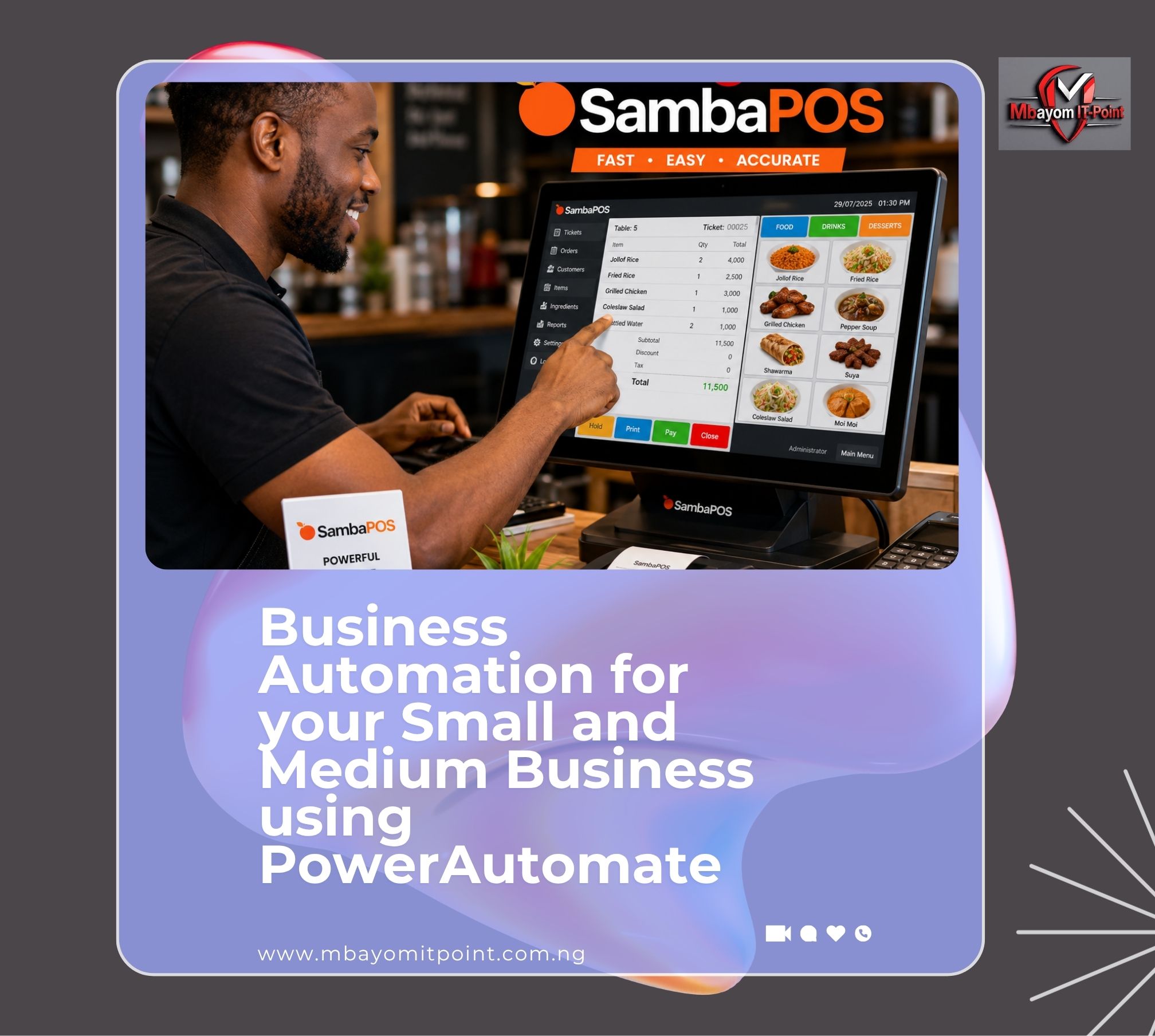
This is where business automation steps in. Long gone are the days when automation was a luxury reserved exclusively for fortune 500 companies with massive IT budgets. Today, affordable, user-friendly automation tools are leveling the playing field, allowing smaller businesses to operate with the efficiency and speed of industry giants.
Here is a deep dive into how business automation is transforming SMEs and how you can implement it to reclaim your time and scale your business.
1. What Exactly is Business Automation for SMEs?Business automation is the use of software and technology to execute recurring tasks or processes where human intervention can be replaced or minimized. Instead of manually copying data from one spreadsheet to another, sending welcome emails to new customers, or tracking down unpaid invoices, technology does it for you in the background.
2. Core Areas Where Automation Helps SMEsA. Customer Relationship Management (CRM) & Sales The Manual Burden: Manually replying to every new inquiry, tracking leads on sticky notes, and forgetting to follow up with potential clients.
The Automated Solution: When a lead fills out a form on your website, an automated system can instantly tag them in your CRM, send a personalized "thank you" email with a booking link, and set a reminder for your sales team to call them.
B. Marketing Operations The Manual Burden: Posting to social media every single day, manually segmentation email lists, and sending individual newsletters.
The Automated Solution: Using scheduling tools to plan a month's worth of social media content in one afternoon. Email marketing automation can also send targeted campaigns based on user behavior (e.g., sending a discount code automatically if a user abandons their shopping cart).
C. Finance and Invoicing The Manual Burden: Creating invoices by hand, calculating taxes, and awkwardly emailing clients to remind them of late payments.
The Automated Solution: Modern accounting software automatically generates invoices, tracks expenses by syncing with your bank account, and sends polite, automated recurring reminders to clients until a bill is paid.
D. Customer Support The Manual Burden: Spending hours answering the same five questions via email every day (e.g., "What are your hours?" or "Where is my order?").
The Automated Solution: Implementing an AI chatbot on your website to handle frequently asked questions instantly. If a query is too complex, the bot seamlessly escalates it to a human team member.
3. The Major Benefits of Automating Your SME Unprecedented Time Savings: By automating repetitive administrative tasks, business owners and core staff can shift their focus to revenue-generating activities like product development, strategy, and relationship building.
Reduction of Human Error: Humans get tired, distracted, and mistype numbers. Automation software executes tasks exactly the same way every single time, drastically reducing errors in data entry, billing, and scheduling.
Consistent Customer Experience: Automation ensures that every customer receives a swift response, a seamless checkout experience, and consistent follow-up, which builds trust and brand loyalty.
Cost-Effective Scalability: Doubling your sales manually often means doubling your staff. With automation, your systems handle a 2x or 5x increase in transaction volume without your overhead costs skyrocketing proportionally.
4. How to Start Automating Without the Overwhelm If you try to automate your entire business overnight, you risk breaking your existing workflows. Instead, take a tactical approach:
Audit Your Week: For one week, write down every task you do. Identify the tasks that are repetitive, boring, and require no creative thinking.
Pick One Bottleneck: Start with the single biggest time-waster. If you spend 5 hours a week scheduling client appointments, start there.
Choose the Right Tools: Look for user-friendly, budget-conscious software designed for SMEs.For linking different apps: Zapier or Make (e.g., "If I get a new lead in Typeform, copy it to Google Sheets").
For scheduling: Calendly or Acuity. For email marketing: Mailchimp or MailerLite.Test and Refine: Build the automation, test it yourself to ensure it works smoothly, and then let it run. Once comfortable, move to the next bottleneck.
Conclusion: Emphasize Growth Over GrindAutomation is not about replacing the human touch; it is about freeing humans to be human. By letting software handle the robotic, data-driven tasks, small and medium business owners can inject more creativity, empathy, and strategic thinking into their operations.
In the modern economic landscape, automation is no longer a competitive advantage—it is a requirement for survival and sustainable growth.