
Why AI is Essential
Why AI is Essential
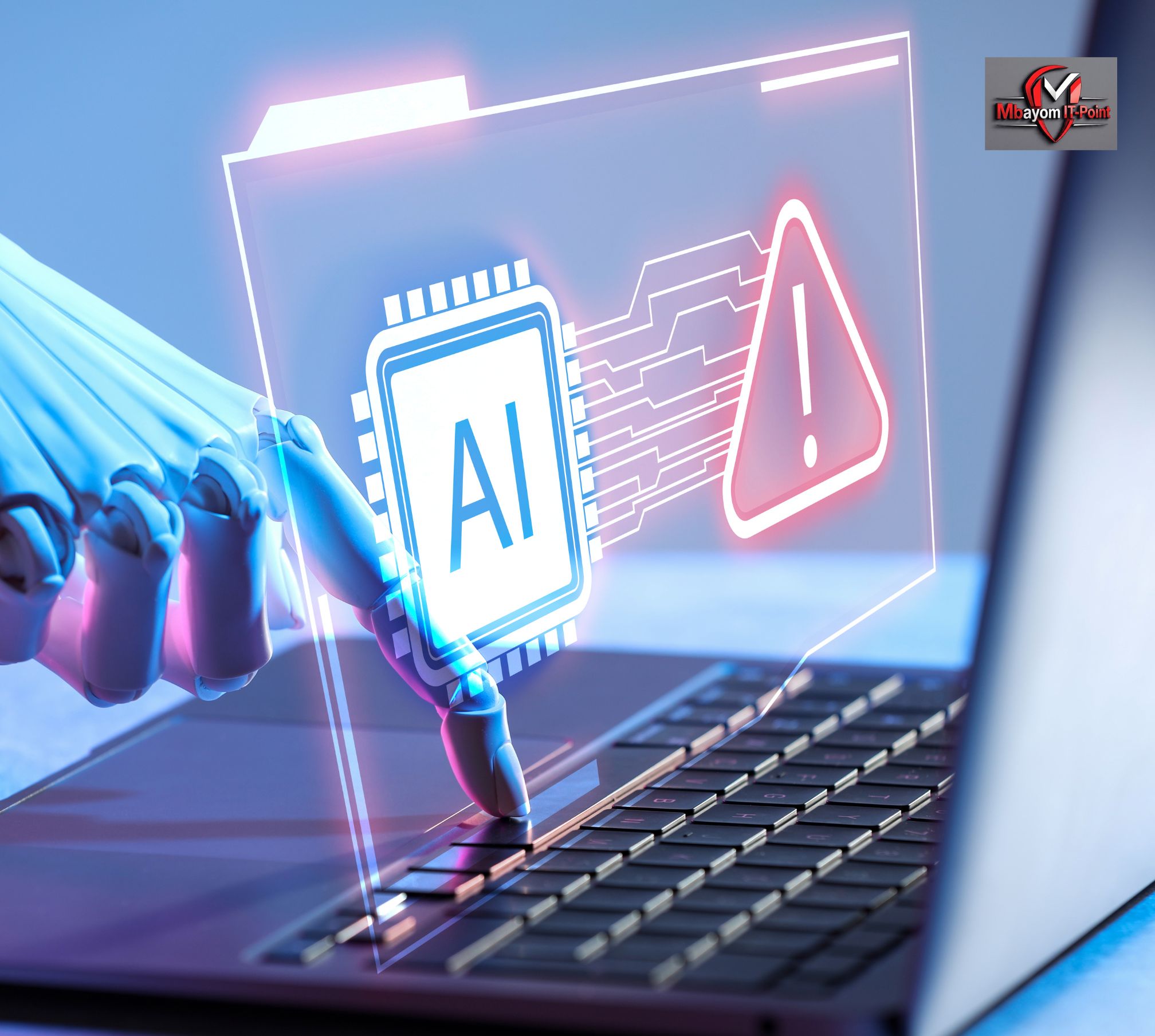
The phrase "in this general" usually points to our current era—this hyper-fast, data-drenched digital age. We don't just need Artificial Intelligence (AI) because it's a cool tech trend; we need it because human society has scaled past the point where human brains can process everything on their own. AI has become an essential scaffolding for modern life, acting as a cognitive amplifier that helps us manage complexity, solve systemic problems, and reclaim our most valuable resource: time.
First, consider the sheer volume of data we generate. Every second, global systems flood with medical records, climate metrics, financial transactions, and scientific papers. A human being, or even a large team of experts, could spend a lifetime trying to find patterns in a fraction of this data. AI excels here. In healthcare, machine learning algorithms can scan millions of genetic sequences or radiology images in seconds, flagging anomalies like early-stage tumors that the human eye might miss. We need AI because it transforms overwhelming noise into actionable, life-saving signals.
Second, AI is our best tool for tackling massive, global crises like climate change.
Predicting weather patterns, optimizing clean energy grids, and modeling supply chain efficiencies
require calculating billions of variables simultaneously. AI can simulate thousands of climate scenarios
in minutes, helping scientists design more resilient cities and optimize renewable energy distribution.
Without this computational muscle, our response to planetary challenges would be too slow and too reactive.
On an individual level, we need AI to escape the trap of mundane, repetitive labor. Think about how much time people spend sorting emails, entering data, scheduling meetings, or writing boilerplate code. By automating these routine tasks, AI doesn't replace the human worker; it liberates them. It shifts our focus from administrative friction to creative problem-solving, strategic thinking, and genuine human connection—the things a machine cannot replicate.